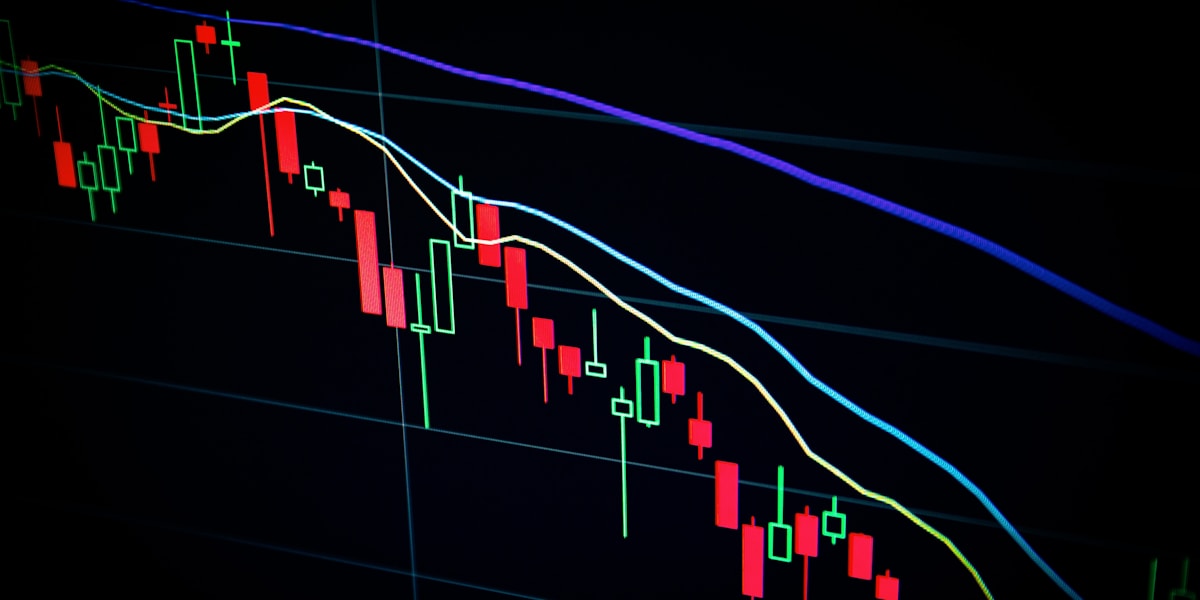
Most investors do not need more notifications. They need better ones. The goal of portfolio risk alerts is to surface meaningful drift, concentration, volatility, and drawdown changes early enough to act without creating noise that leads to overtrading.
This page is the setup guide. If you want the software layer that sends the alerts, start with portfolio monitoring, use portfolio analytics to understand the exposures behind each alert, or run a free risk analysis.
The Problem with Manual Monitoring
Checking your portfolio daily seems responsible, but it's inefficient and emotionally taxing. Learn more about effective portfolio monitoring strategies:
- You see every normal fluctuation, triggering unnecessary stress
- You might miss critical signals buried in routine data
- Decision fatigue from constant monitoring leads to poor choices
- Time spent checking doesn't scale (100 holdings = 100x more work)
💡 Better Approach: Set intelligent alerts for meaningful events, then let automated monitoring run after portfolio syncs while you focus on living your life.
5 Essential Alert Types Every Investor Needs
1. Price Drop Alerts
Purpose: Catch significant declines before they become disasters
Recommended Settings:
- Individual position down 10% in one day
- Individual position down 20% from recent high
- Total portfolio down 5% in one day
- Total portfolio down 10% from peak
Action When Triggered: Review news and fundamentals. Determine if it's a buying opportunity or time to cut losses.
2. Concentration Alerts
Purpose: Prevent any single position from dominating your portfolio. Learn more about portfolio concentration risk and how to identify it.
Recommended Settings:
- Any position exceeds 10% of total portfolio
- Any sector exceeds 25% of equity allocation
- Top 5 positions exceed 40% of portfolio
- Any stock gains 50%+ from purchase (forces review)
Action When Triggered: Consider trimming the position or rebalancing to maintain risk targets.
3. Volatility Spike Alerts
Purpose: Identify when market or portfolio risk jumps significantly. Understand portfolio volatility and drawdowns to set effective thresholds.
Recommended Settings:
- VIX (market volatility index) exceeds 30
- Portfolio beta increases by 20%+
- Any position's 30-day volatility doubles
- Intraday swings exceed normal range by 2x
Action When Triggered: Review risk exposure. Consider reducing position sizes or adding hedges.
4. Rebalancing Alerts
Purpose: Know exactly when portfolio drift requires action
Recommended Settings:
- Stock allocation drifts 5%+ from target
- Any asset class moves 10%+ from target
- Quarterly rebalancing reminder (calendar-based backup)
Action When Triggered: Execute rebalancing trades to return to target allocation.
5. News & Event Alerts
Purpose: Stay informed about major developments affecting holdings
Recommended Settings:
- Earnings announcements for top 10 holdings
- Major news headlines mentioning your holdings
- Analyst upgrades/downgrades
- Insider trading activity (large buys or sells)
Action When Triggered: Review information and assess if position thesis has changed.
🚨 Not Sure Which Alert App to Use?
We tested the leading options on price alerts, risk alerts, and portfolio coverage. See the full breakdown of free and paid picks before you set anything up.
Compare the Best Stock Alert Apps →Advanced Alert Strategies
Correlation Breakdown Alerts
Get notified when assets that should be uncorrelated start moving together (early crisis signal):
- Stock/bond correlation exceeds 0.5
- All sectors moving in same direction
- Diversifiers failing to diversify
Momentum Shift Alerts
Detect when trends are reversing:
- Position crosses 200-day moving average
- Relative strength drops below market
- Trend following indicators flip
Tax Optimization Alerts
Identify tax-loss harvesting opportunities:
- Position down 20%+ (harvestable loss)
- Short-term loss about to become long-term
- Wash sale window expiring
Set It and Forget It
Guardfolio comes with pre-configured smart alerts based on professional risk management practices. Customize as needed.
Get Smart AlertsAlert Configuration Best Practices
1. Start Conservative, Then Adjust
Begin with wider thresholds to avoid alert fatigue:
- Week 1-4: 15% price drops, 12% concentration
- Month 2-3: Tighten to 12% drops, 10% concentration
- Month 4+: Optimize to 10% drops, 8% concentration
2. Layer Your Alerts
Multiple levels provide context:
- Warning: Position down 10% (monitor closely)
- Action: Position down 15% (review fundamentals)
- Critical: Position down 20% (decide: hold or sell)
3. Use Time-Based Filters
Prevent false alarms from intraday noise:
- "Position down 5% at market close" (not just any moment)
- "Volatility elevated for 3+ consecutive days"
- "Above threshold for full trading day"
4. Batch Non-Urgent Alerts
Group less time-sensitive notifications:
- Immediate: 15%+ single-day drops, critical risk spikes
- Daily Digest: Concentration changes, news mentions
- Weekly Summary: Performance reviews, rebalancing needs
Common Alert Mistakes to Avoid
1. Too Many Alerts (Alert Fatigue)
If you're getting 10+ alerts per day, thresholds are too sensitive. You'll start ignoring them all, including critical ones.
2. Too Few Alerts (Missing Warnings)
If you haven't received an alert in months, settings might be too loose. Some volatility is normal—your alerts should trigger occasionally.
3. All-or-Nothing Thinking
An alert doesn't always mean "sell immediately." It means "pay attention and assess." Most alerts lead to monitoring, not trading.
4. Ignoring Context
A position down 10% during a market-wide 8% drop is different from a 10% drop on a flat market day. Look at relative performance.
5. Not Testing Your Alerts
Review alert logs monthly. Are you getting the right signals? Adjust thresholds based on what actually helps you make better decisions.
Alert Response Playbook
When Price Drop Alert Fires
- Check broader market—is everything down?
- Search for news—earnings miss? Industry headwind?
- Review fundamentals—has thesis changed?
- Decide: Buy more? Hold? Trim? Exit?
When Concentration Alert Fires
- Calculate exact position size vs target
- Determine amount to sell to reach target
- Consider tax implications of selling
- Execute rebalancing trade or use new contributions
When Volatility Alert Fires
- Assess overall portfolio beta and risk
- Review correlation—are diversifiers working?
- Consider reducing position sizes
- Potentially add hedges or increase cash
Platform-Specific Alert Setup
Built-in Brokerage Alerts
Pros: Free, direct integration
Cons:
Basic functionality, single-account only, no portfolio-level
intelligence
Best for: Simple price alerts on a few key positions
Standalone Portfolio Apps
Pros: Advanced alerts, multi-account aggregation,
better analytics
Cons: Subscription cost, requires
setup
Best for: Serious investors with complex portfolios
AI-Powered Services (like Guardfolio)
Pros: Intelligent, adaptive alerts; contextual
analysis; proactive recommendations
Cons: Premium
pricing
Best for: Investors who want professional-grade monitoring without manual configuration
Conclusion: Alerts Enable Proactive Investing
The difference between reactive and proactive investors isn't time spent monitoring—it's having the right information at the right time.
Smart alerts give you this superpower: knowing exactly when your attention is needed, while freeing you from constant checking that adds stress without adding value.
Set them up once, adjust as you learn, and let threshold monitoring run after each sync while you focus on long-term strategy.
Professional Alert System, Zero Configuration
Guardfolio sets up intelligent alerts automatically based on your portfolio. Start monitoring in under 60 seconds.
Start Free Trial